

How to Plan a Stellenbosch Wine Tour Like a Local
Date Published
Where Vineyards Meet Storytelling
Stellenbosch does not simply produce wine; it curates landscapes that feel like they’ve been slowly poured into place over centuries. Oak-lined avenues, mountain-framed valleys, and historic Cape Dutch estates create a setting where wine tourism becomes less of an activity and more of a slow unfolding experience.
For South Africa’s tourism industry, Stellenbosch sits near the centre of gravity. It is one of the most visited wine regions in the country, drawing both international travellers and domestic explorers from Cape Town and beyond. Yet many visitors arrive with only a vague idea of how to structure their day, how tasting works, or how to move between estates efficiently.
Planning a wine tour here is not difficult, but it does reward intention. The region runs on rhythm: tasting room hours, booking windows, driving distances, and etiquette expectations that shape your experience as much as the wine itself. Understanding those rhythms turns a casual visit into a seamless journey.

Understanding Stellenbosch as a Wine Destination
Stellenbosch is more than a town; it is a network of estates spread across valleys, foothills, and mountain slopes. The broader Cape Winelands region includes neighbouring areas like Paarl and Franschhoek, but Stellenbosch remains the anchor point for wine tourism in South Africa.
The geography matters. Warm inland valleys produce bold reds, while cooler slopes favour whites and elegant blends. This variation means that even short distances between estates can yield completely different tasting profiles. Travelling ten minutes down a winding road can feel like crossing a climatic boundary.
The town itself is also a cultural hub. Students, academics, chefs, and winemakers share the same streets, creating a lively contrast between heritage and modern innovation. This blend is part of what makes planning a wine tour here so rewarding. You are not just moving between farms; you are moving through layers of South African history and contemporary craft.
Timing Your Visit for the Best Experience
Seasonality plays a quiet but important role in Stellenbosch wine tourism. Summer months, particularly from November to March, bring long sunny days and vibrant vineyard activity. This is peak tourism season, which means busier tasting rooms and higher demand for bookings.
Autumn offers a different charm. The harvest period, typically between February and April, is when vineyards become active production sites. There is a sense of controlled energy in the air, with grapes arriving, sorting tables in motion, and winemakers balancing precision with pace.
Winter, from June to August, is quieter. Vineyards rest visually, but tasting rooms become intimate spaces with fireplaces, structured flights, and fewer crowds. For travellers who prefer slower, more reflective experiences, this is often the ideal time.
Spring brings renewal. Blossoms return, landscapes regain colour, and tourism begins to pick up again without the intensity of peak summer.
The key is not simply choosing a season, but matching it with your intent. If you want social energy and long outdoor lunches, summer works well. If you want quiet exploration and deeper engagement with winemakers, winter has its own quiet brilliance.
Planning Your Route Across Wine Estates
One of the most common mistakes visitors make is underestimating distance. On a map, Stellenbosch looks compact. In reality, the winding roads, mountain passes, and estate entrances can extend travel time significantly.
A well-planned route typically includes three to four estates in a day. More than that tends to compress the experience and reduce the quality of each tasting. Each estate is designed to be lingered in, not rushed through.
It is also worth grouping estates geographically. For example, the Stellenbosch Mountain route offers elevated views and cooler-climate wines, while the Bottelary Hills area provides a more rural, agricultural atmosphere. The Helderberg region leans toward coastal influence and scenic vistas.
Transport planning is essential. Designated drivers, pre-booked wine tours, or shuttle services are strongly recommended. Self-driving is possible, but only if wine tasting is not the primary focus of every stop.
The underlying principle is simple: wine tourism in Stellenbosch is spatial storytelling. The route you choose determines the narrative you experience.
Transport Options and Practical Mobility
Transport is the backbone of a successful wine tour. Without it, even the best-planned itinerary can collapse into delays or missed bookings.
Private guided tours are the most seamless option. These often include curated routes, expert commentary, and direct coordination with estates. They remove logistical friction and allow visitors to focus entirely on the experience.
Ride-hailing services operate in parts of Stellenbosch, but reliability can vary depending on location and time of day. Rural estates may have limited availability for pickups, especially late in the afternoon.
Wine tour shuttles are a popular middle ground. They run fixed routes or flexible loops between key estates, offering a balance between independence and structure. For solo travellers or small groups, this is often the most practical solution.
Self-driving offers maximum freedom but requires discipline. The temptation to over-schedule or underestimate wine strength can quickly disrupt the day. If choosing this option, appointing a designated driver is essential, and that role should remain consistent throughout the tour.
Cycling tours exist for more adventurous visitors, particularly in the central valley. However, they are best suited for shorter routes and cooler weather conditions.
Booking Culture and Estate Reservations
Stellenbosch operates on a quiet but firm reservation culture. While some estates accept walk-ins, many of the more popular venues require advance booking, especially for tastings paired with food or guided experiences.
Booking is not just about securing a table. It shapes the type of experience you receive. A standard tasting differs significantly from a curated pairing session or a cellar tour led by a sommelier. The earlier you book, the more control you have over these variations.
Weekends and holidays require particular attention. Estates often reach capacity, and spontaneous visits may result in long waits or limited tasting options.
Communication is also important. If you are running late or adjusting your schedule, notifying the estate is considered good etiquette. The wine tourism ecosystem here is built on timing, and small courtesies maintain its flow.
Wine Tasting Etiquette: The Unwritten Rules
Wine tasting in Stellenbosch is both casual and structured. There is no strict code of conduct, but there are expectations that enhance the experience for everyone involved.
Tasting rooms are conversational spaces. Staff are trained not only to pour wine but to narrate its origin, character, and production philosophy. Engaging with them transforms the experience from transactional to educational.
It is acceptable to decline pours, but it is better to do so politely and early in the tasting sequence. This helps guides tailor the experience to your preferences.
Spitting is common in professional tastings and is not considered rude. It allows guests to sample multiple wines without impairment. Many tasting rooms provide spittoons discreetly for this purpose.
Scent matters. Strong perfumes can interfere with wine aromas, so subtlety is appreciated.
Tipping is not mandatory but is often welcomed for exceptional service, particularly when a guide provides detailed insight or personal attention.
The underlying etiquette principle is respect for the craft. Every glass represents years of cultivation, seasonal risk, and technical precision.

Food Pairings and Culinary Integration
Wine tourism in Stellenbosch is inseparable from food culture. Many estates function as full culinary destinations, offering restaurant experiences that rival standalone fine dining venues in Cape Town.
Pairings are designed to highlight structure, acidity, and texture in wine. A crisp Sauvignon Blanc might be paired with fresh seafood or citrus-driven dishes, while a bold Cabernet Sauvignon aligns with richer, slow-cooked meats.
Lunch reservations are especially important. Midday dining slots fill quickly, and many visitors plan their entire wine route around a single estate lunch.
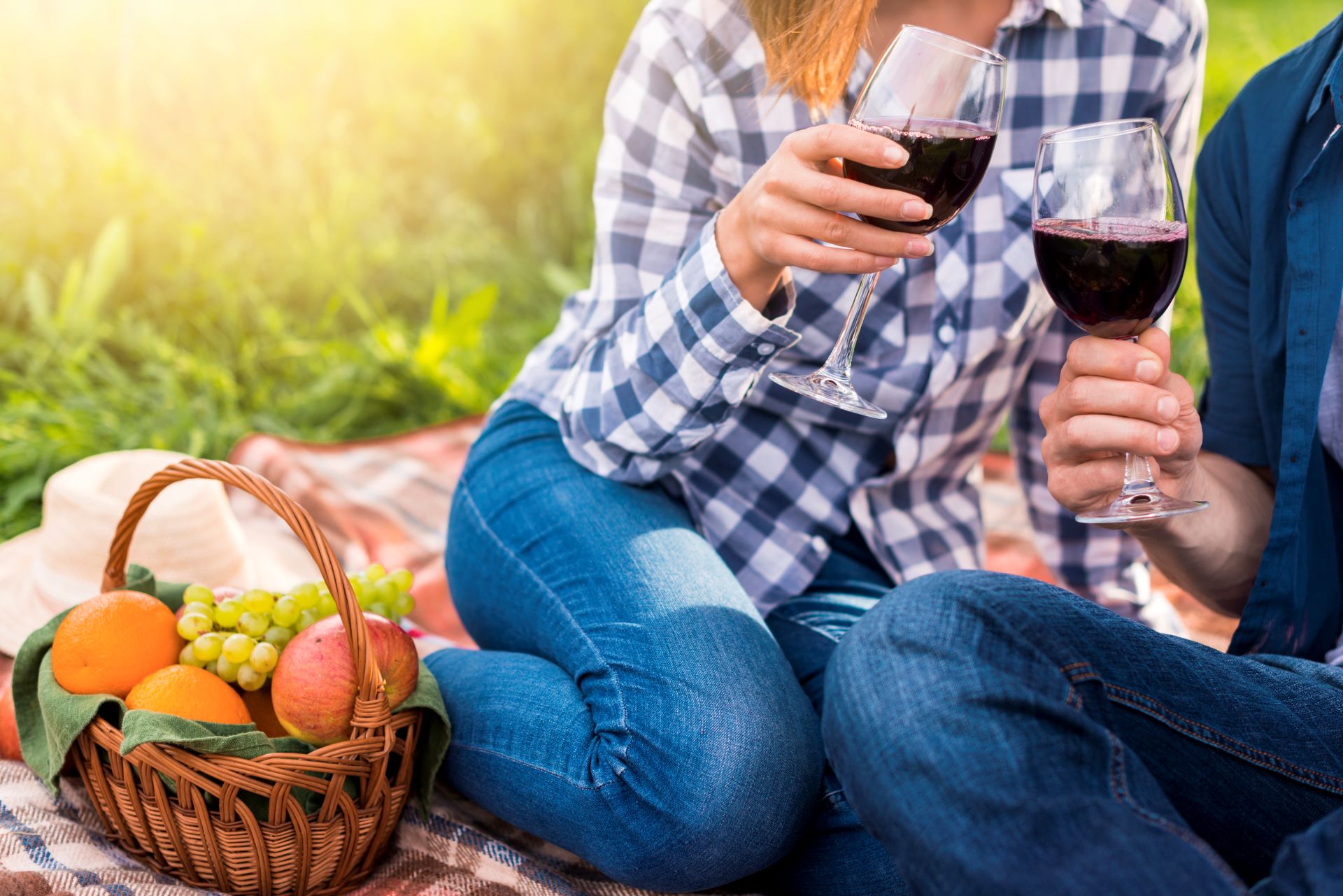
Picnic offerings are also popular. These allow visitors to enjoy estate grounds at a slower pace, often under oak trees or overlooking vineyards. However, picnic baskets typically require advance booking and are subject to weather conditions.
The culinary layer adds depth to wine tourism. It transforms tasting from isolated sampling into a continuous sensory narrative.
Understanding Wine Styles in Stellenbosch
Stellenbosch is one of South Africa’s most diverse wine-producing regions. Its climate variation allows for a wide spectrum of styles.
Red wines dominate production, particularly Cabernet Sauvignon, Merlot, and Bordeaux-style blends. These wines are structured, often bold, and shaped by warm inland conditions balanced by coastal breezes.
White wines range from crisp Sauvignon Blancs to textured Chardonnays. Cooler vineyard pockets produce more mineral-driven profiles, while warmer zones create rounder expressions.
Pinotage, South Africa’s signature grape, also features prominently. In Stellenbosch, it is often refined and complex rather than overly rustic, reflecting modern winemaking techniques.
Understanding these categories before your visit helps you approach tastings with intention rather than randomness. It allows you to identify patterns across estates and appreciate stylistic differences more clearly.
Managing Expectations as a Visitor
Wine tourism can sometimes be romanticised. Stellenbosch is beautiful, but it is also a working agricultural region with production schedules, staff shifts, and logistical constraints.
Not every tasting room will feel luxurious. Some are minimalist and functional, focused more on education than aesthetics. Others are architecturally striking and designed for immersive leisure.
Weather can also influence experience. Windy days may limit outdoor seating, while peak summer heat can shift focus indoors.
Crowds vary significantly. Certain estates attract large tour groups, while others maintain quieter, appointment-only atmospheres.
Managing expectations allows visitors to appreciate each estate on its own terms rather than comparing them against a single idealised version of wine tourism.
Responsible Drinking and Pacing the Day
Pacing is one of the most important aspects of a Stellenbosch wine tour. Tastings are structured to be enjoyed gradually, not consumed in rapid succession.
Hydration plays a key role. Water is typically available at tasting rooms, and alternating between wine and water helps maintain clarity throughout the day.
Food intake should not be overlooked. Starting a tour on an empty stomach reduces both enjoyment and sensory perception.
Spreading visits across time rather than intensity creates a more memorable experience. Three thoughtfully chosen estates often provide more insight than six rushed stops.
Responsibility is not about restriction; it is about preserving the quality of experience from start to finish.
Seasonal Events and Wine Tourism Festivals
Stellenbosch hosts a variety of seasonal events that enhance wine tourism. These include harvest celebrations, wine releases, and curated food-and-wine festivals.
During harvest season, some estates offer behind-the-scenes experiences that showcase grape selection, crushing, and fermentation processes. These events provide rare insight into the production cycle.
Wine release weekends are also popular. These events often feature limited-edition tastings and direct interaction with winemakers.
Festivals bring a different energy, combining live music, food markets, and multi-estate participation. They are ideal for social travellers but may feel crowded for those seeking quiet tasting experiences.
Planning around these events can significantly shape your itinerary.
Sustainability and Modern Wine Tourism
Sustainability is increasingly central to Stellenbosch wine tourism. Many estates now incorporate water management systems, biodiversity conservation areas, and organic farming practices.
Packaging innovation, reduced chemical usage, and regenerative agriculture are becoming more visible across the region.
For visitors, this adds an educational dimension. Wine tasting becomes a window into environmental stewardship and agricultural responsibility.
Some estates also offer sustainability tours, explaining how climate conditions, soil health, and resource management influence both wine quality and long-term viability.
Photography, Aesthetics, and Visitor Behaviour
Stellenbosch is visually striking, which naturally encourages photography. Vineyards, mountain backdrops, and Cape Dutch architecture create highly photogenic environments.
However, etiquette matters. Staff areas, production zones, and private cellar spaces are often restricted. Asking before photographing people or operational spaces is considered respectful.
Tasting rooms are designed for comfort rather than constant disruption, so balancing documentation with presence enhances the experience.
The most meaningful visits often happen when the camera is set aside for moments of attention rather than capture.
Combining Stellenbosch with Broader Cape Winelands Travel
While Stellenbosch is a central hub, it is often combined with neighbouring wine regions. Franschhoek offers a more boutique, culinary-focused experience, while Paarl provides broader agricultural landscapes.
Cape Town itself acts as the entry point for most travellers, making day trips highly accessible. This proximity allows for flexible itineraries that blend urban tourism with rural exploration.
Multi-region tours are possible but require careful planning to avoid fatigue and excessive travel time.
Stellenbosch, however, remains the anchor due to its density of estates and variety of experiences within a relatively small area.
Turning a Visit into a Narrative
A well-planned wine tour in Stellenbosch is not just about tasting wine. It is about sequencing experiences in a way that respects geography, timing, etiquette, and sensory progression.
When logistics are handled thoughtfully, the region reveals itself with clarity. Each estate becomes a chapter rather than a stop, each tasting a sentence rather than a transaction.
Wine tourism here is ultimately about attention. Attention to place, to process, and to the quiet craft that shapes every bottle.
Stellenbosch does not rush its stories. It unfolds them slowly, and the best visits are the ones that learn to move at that same pace.